


InTolerApp: Histamine & FODMAP
4.453.00 Reviews
App Specs
- Version
- 4.0.7
- Updated On
- License
- Free
- Downloads
- 100,000+
- Developer
- Hadt Work GmbH
- Categories
- Food & Drink
- Platform
- Android, iOS
Screenshots
 Analysis by AppCompare
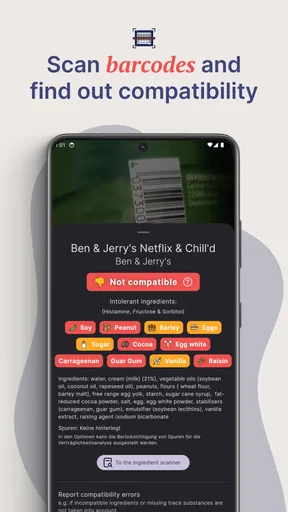
I tend to judge food-intolerance apps by one practical test: do they help me make a calmer decision when I’m standing in a shop or looking at a menu? InTolerApp: Histamine & FODMAP is built around that everyday problem. It brings food information for several sensitivities and dietary approaches into one place, so I can check an ingredient without juggling separate reference lists. That is its clearest value: not diagnosing a condition, but making food choices easier to think through.
A single reference for overlapping food questions
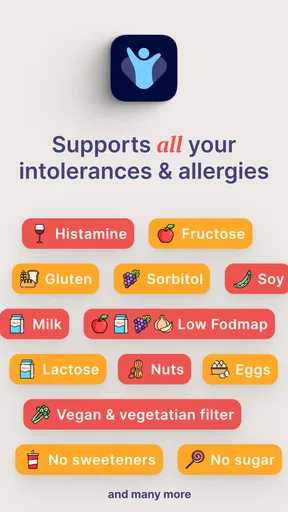
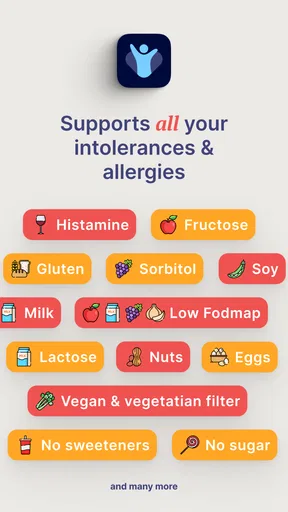
Many people do not have just one dietary concern to consider. A food may raise a question about histamine, while another prompts a check for lactose, fructose, sorbitol, FODMAPs, allergens, or a chosen diet. I like that the app is aimed at this overlap rather than treating each concern as an entirely separate task. When I am comparing two packaged foods, having several kinds of dietary information available in the same app can reduce the mental back-and-forth.
That convenience matters most when I already know what I need to check. The app can support a shortlist of questions, but I still need to understand my own restrictions and read the product label. Food names, preparation, portions, and personal tolerance all matter; a reference entry should be a prompt for a more informed choice, not a guarantee that a food will suit me.
How I would use it during a normal day
My most useful workflow would start before I leave home. I would check a few ingredients for a planned meal, note any uncertain items, then use the app at the store to compare alternatives. That is more focused than trying to research every item in a trolley from scratch. It also helps me separate “I do not know yet” from “I have already learned this does not suit me,” which can make a food diary more useful later.
For example, if I am buying ingredients for lunch and one sauce contains several components I do not usually eat, I can look up the items that concern me and decide whether to choose a simpler option. I would still check the package for allergens and ingredient changes. The practical benefit is having a structured reference beside me, not outsourcing the final decision to an app.
Where it fits among the alternatives
The usual alternative is a mix of saved web pages, notes, specialist lists, and advice from a clinician or dietitian. Those sources can be valuable, especially for personal medical guidance, but they are easy to scatter across a phone. InTolerApp’s appeal is the chance to keep several food-related checks together. I would use it as a quick reference and keep professional advice for questions about diagnosis, nutrition, or a restrictive diet.
It is also different from a general recipe app. A recipe tool may help me decide what to cook, while this app’s central job is helping me assess foods through an intolerance or diet lens. If I mainly want meal inspiration, a recipe-focused app is likely a better fit. If my main challenge is remembering which food categories I need to review, a consolidated reference has more direct value.
Worth Reading Before You Choose

EA SPORTS FC Mobile 26 Is a Bigger Football Game, but It Takes Time

Flipboard Shows What News Apps Must Do Beyond the Feed

Switching to Android Auto Means Rethinking Your Driving Routine

Google Calendar Makes a Crowded Week Easier to Manage

Ludo King Makes the Most of the Minutes Between Plans

Baby Panda World Brings Quick Play to Modern Phones, but Its Game Library Feels Busy
Who is likely to get the most from it
I think it is best suited to someone who already has a reason to monitor food choices and wants a handy reference while shopping, planning meals, or eating away from home. It may be particularly useful when more than one dietary consideration affects the same decision. A person who is just curious about nutrition, with no specific need to check these categories, may not get enough daily value to justify learning another tool.
It is not the right substitute for medical advice, and I would not rely on any food database alone to manage a serious allergy. Anyone who needs certainty about an allergen should check the packaging and follow their clinician’s guidance. Likewise, if a health professional has given me a specific elimination or reintroduction plan, I would follow that plan rather than letting a general food classification decide what to remove.
There is a useful discipline in treating uncertain entries as uncertain instead of turning them into permanent rules. A cautious workflow is to check the relevant category, compare it with the ingredient label, and record what actually happens after eating—without drawing a firm conclusion from one meal. That approach can help keep food choices practical and avoid making an already limited diet narrower than necessary.
First Impressions and User Interface
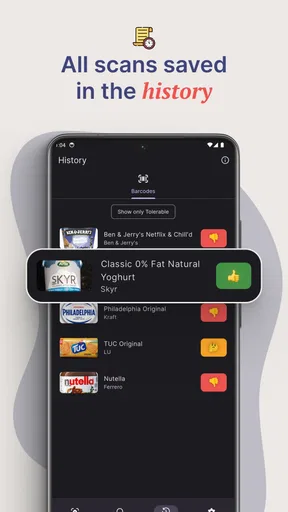
Right off the bat, the app greets you with a clean and friendly interface. Everything is laid out intuitively, which is a relief when you’re already juggling dietary restrictions. The app doesn’t bombard you with ads or unnecessary clutter, which is a huge plus. You can tell the developers put a lot of thought into making this user-friendly.
Navigating through the app is a breeze. The main menu offers easy access to different sections like food lists, meal planning, and personal tracking. Each section feels like it’s just a tap away, making it pretty seamless to use even when you’re out and about.
Features That Stand Out
What really sets InTolerApp: Histamine & FODMAP apart are its robust features designed to cater to people with specific dietary needs. The app covers a wide range of food intolerances, not just histamine and FODMAPs, but also things like lactose and gluten.
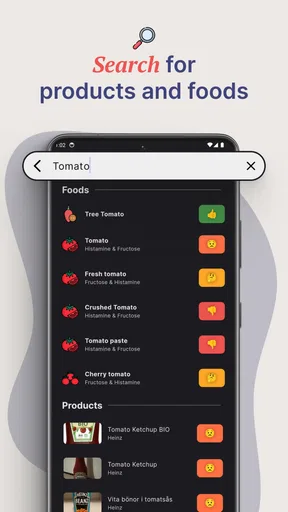
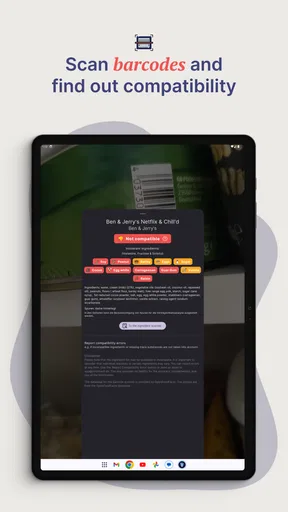
- Comprehensive Food Database: The app boasts an extensive food database with detailed information on histamine and FODMAP levels. It’s super helpful when you’re grocery shopping or dining out and need quick info at your fingertips.
- Meal Planning Tool: This feature is a lifesaver for anyone who struggles with meal prep due to dietary restrictions. You can plan out your meals for the week and ensure you’re sticking to your diet without missing out on nutrients.
- Symptom Tracker: This is gold for those trying to pinpoint exactly what triggers their symptoms. You can log your meals and any symptoms you experience, and over time, the app helps you identify patterns.
Personal Experience
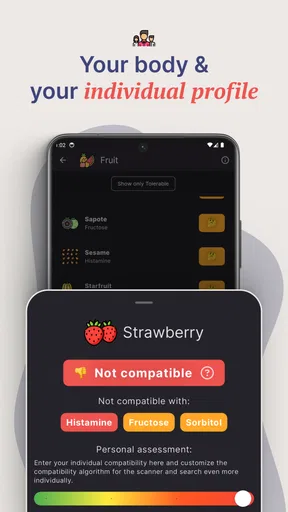
Using the app for a week, I noticed how much easier it made my life. I wasn’t constantly second-guessing what I could or couldn’t eat. One thing I appreciated was the ability to customize food lists. You can mark foods as safe, trigger, or unknown, which tailors the app to your personal needs.
The symptom tracker was particularly insightful. Over a few days, I began to notice patterns I hadn’t before. It’s like having a mini nutritionist in your pocket, helping you make informed choices.
Room for Improvement
While InTolerApp: Histamine & FODMAP is pretty fantastic, there are a couple of areas where it could improve. For instance, the app could benefit from more localized food options, especially for users outside the US. Additionally, a community feature where users can share tips and experiences would take it to the next level.
Another small gripe is the price. While there is a free version, some of the best features are locked behind a paywall. For someone on a budget, this might be a hurdle.
Final Thoughts
Overall, I’d say InTolerApp: Histamine & FODMAP is a must-have for anyone dealing with food intolerances. It’s thoughtfully designed, packed with useful features, and genuinely makes managing your diet easier. Sure, it has a few quirks, but the positives far outweigh any negatives.
If you’re tired of playing the guessing game with your diet, definitely give this app a shot. It's like having a personal assistant for your digestive health, and who wouldn’t want that?
What to expect before committing
InTolerApp is a free Food & Drink app from Hadt Work GmbH, with optional in-app purchases ranging from $2.49 to $64.99 per item. That makes it reasonable to try the basic experience before deciding whether paid options are worthwhile, but I would check which functions are included at no cost before building a routine around a particular tool. The range between the lowest and highest purchase is broad, so I would avoid assuming every useful feature is part of one small upgrade.
The app has a 4.4 average from around 1.7 thousand ratings, and it has been installed over 100 thousand times. Those figures suggest it has found an audience, though they cannot tell me whether its food classifications match my own needs or local products. It is rated for Everyone, runs on Android 8.0 or later, and its current version is 4.0.4. For an iPhone user, I would check the relevant app store for compatibility before planning to use it; the Android requirements do not establish iOS support.
Small habits that make the reference more useful
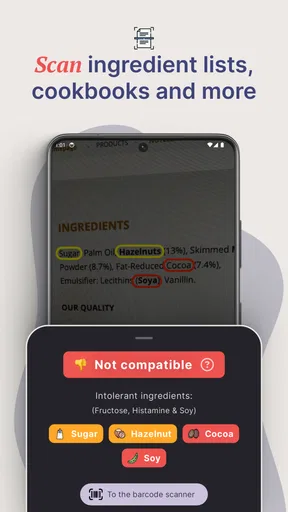
One practical tip is to treat the app as a decision aid in stages. First identify the ingredient or food you are unsure about; then check the category that matters to you; finally compare the result with the exact label and your own notes. This is especially helpful with packaged foods, where a familiar product can change ingredients. Rechecking the label is a better habit than relying on a memory of what the app showed during an earlier shop.
When eating at a restaurant, I would use it before choosing a dish rather than trying to settle every question at the table. I can check likely ingredients in advance, then ask the restaurant about preparation and substitutions. That division of work matters: an app can help me prepare a concise question, but it cannot know which oil, sauce, or handling process a kitchen used for a particular plate.
The personal food-list approach also has a trade-off. Marking items as safe, triggering, or unknown can make repeat decisions quicker, but those labels are personal working notes, not universal verdicts. I would keep the “unknown” category meaningful and revisit it when I have a good reason, rather than turning every unfamiliar ingredient into a trigger by default. This keeps the list helpful instead of gradually becoming a record of everything I am afraid to eat.
When another approach is the better choice
If I need a carefully supervised elimination diet, I would choose guidance from a qualified clinician or dietitian first and use an app only as a supporting notebook. A broad food reference may not reflect my medical history, and removing many foods without a plan can make meals harder to balance. For a diagnosed allergy, a label check and direct confirmation from the manufacturer or restaurant may be more important than a quick app lookup.
There is also a learning curve in deciding which of the app’s several dietary lenses is relevant to a particular meal. That breadth is useful for people with overlapping concerns, but it can feel like extra noise for someone who only needs a simple lactose reference or a straightforward shopping list. If I rarely check foods, a saved clinician-approved guide may be faster. The best reason to keep this app is repeated use across different kinds of food questions, not simply the number of categories it covers.
A measured recommendation
For me, the strongest case for InTolerApp is the combination of quick food checks and personal tracking: one can help with the choice in front of me, while the other can make later reflection more organized. I would not treat a short run of notes as proof that a particular food caused a symptom, since timing, portion size, and other parts of a meal can complicate the picture. Used patiently, though, the record may help me prepare better questions for a professional and notice patterns worth discussing.
The app was released on April 5, 2023, and its appeal is practical rather than flashy: it brings food-intolerance reference and personal organization into a phone-friendly routine. I would recommend trying it if food decisions regularly involve more than one restriction and you want a central place to check and record them. If you need a diagnosis, guaranteed allergen safety, or a highly tailored clinical plan, it should sit alongside expert advice rather than take its place.
Pros
- User-friendly interface with clear navigation.
- Comprehensive food database for easy searches.
- Offline mode available for convenience.
- Customizable alerts for food intake.
- Regular updates with new food entries.
Cons
- Limited language support for global users.
- Subscription required for premium features.
- Occasional slow loading times in some sections.
- No integration with fitness trackers.
- Lacks a community forum for user interaction.
FAQs for InTolerApp: Histamine & FODMAP
What is InTolerApp: Histamine & FODMAP used for?
InTolerApp is designed to help individuals manage food intolerances, specifically focusing on histamine and FODMAP sensitivities. The app provides detailed information on various foods, helping users identify which items may trigger their symptoms. It’s a practical tool for those seeking to maintain a balanced diet without compromising their health.
How does InTolerApp help in managing food intolerances?
InTolerApp offers a comprehensive database of foods, each labeled with histamine and FODMAP levels. Users can search for specific foods to determine their compatibility with their dietary needs. The app also includes meal planning features and personalized recommendations based on user input, making it easier to avoid trigger foods.
Is InTolerApp suitable for all dietary restrictions?
While InTolerApp focuses on histamine and FODMAP intolerances, it may not cover all dietary restrictions. Users with other specific allergies or intolerances should consult additional resources or healthcare professionals. The app is primarily beneficial for those whose symptoms are related to histamine and FODMAP consumption.
Can I customize my food preferences in InTolerApp?
Yes, InTolerApp allows users to customize their profiles by inputting their specific intolerances and dietary preferences. This personalization ensures that the recommendations and meal suggestions align with their unique needs. The app also updates its database regularly to provide the most accurate information.
Is there a cost associated with using InTolerApp?
InTolerApp offers a free version with basic features, but users can opt for a premium subscription to access advanced functionalities, such as detailed food analyses and personalized dietary plans. The premium version is ideal for those seeking a more comprehensive tool for managing their intolerances.


